
Sectors
Different missions. The same unacceptable risk.
An unexplained administrative login means something different in a command centre, a police records system, a dispatch floor, and a tactical operations cell. Vaultris is engineered for those environments specifically — not adapted to them afterwards.
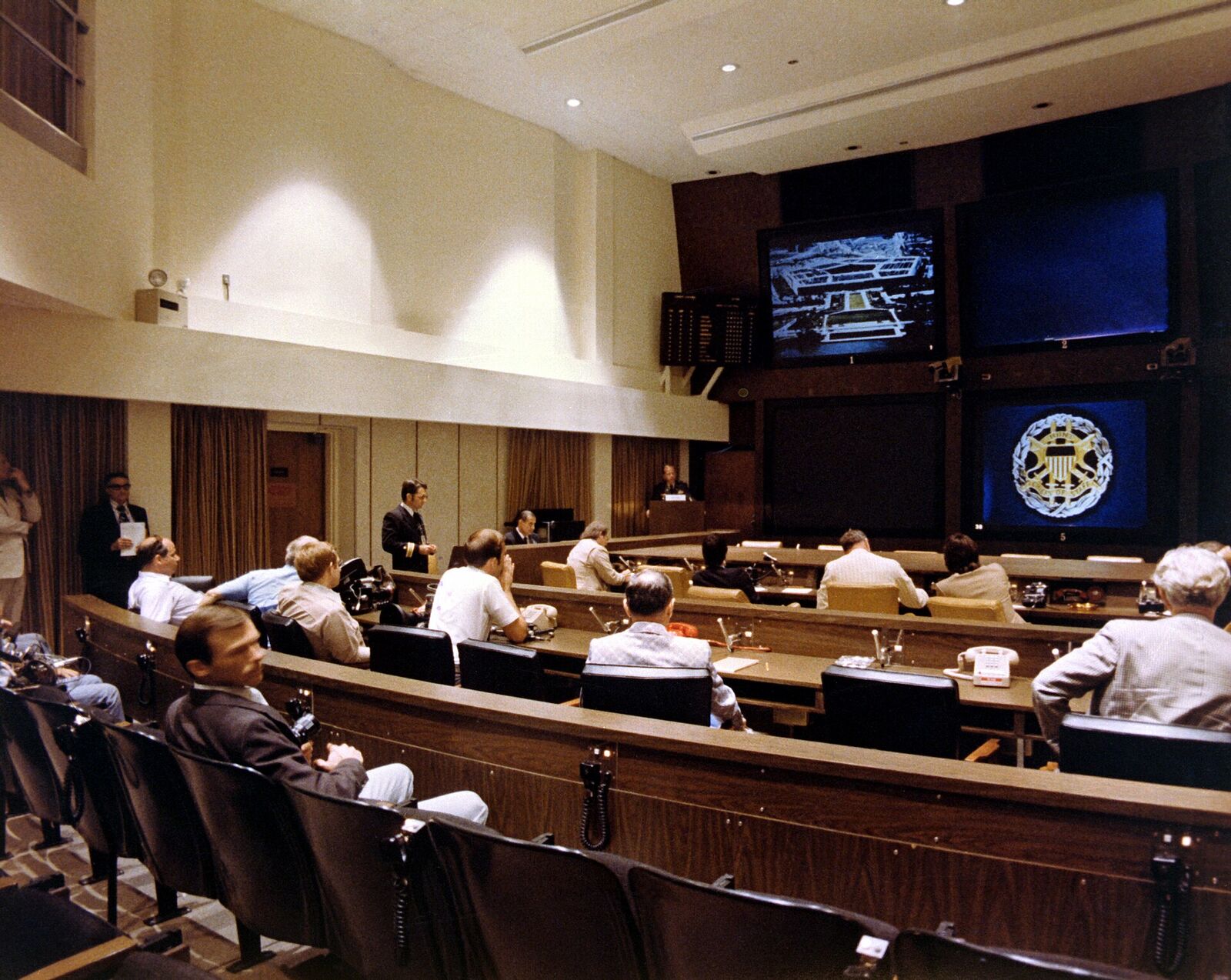
Military & Defense
Attribution at every echelon.
Defense networks are segmented by design, and each boundary is a place where administrative access has to be granted, controlled, and evidenced. Vaultris governs those crossings — between enclaves, between garrison and deployed environments, and between national and coalition partners.
- Enclave boundary control with per-target brokering rather than blanket network reach.
- PIV/CAC and hardware-token authentication enforced at the gateway for every privileged session.
- Coalition and partner access that is scoped, time-boxed, recorded, and revoked on exercise or operation end.
- Contractor and sustainment access to fielded systems under named-individual accountability.
- Air-gapped deployment for isolated enclaves, with offline updates and local evidence retention.
- Full session replay for after-action review, inspection, and inquiry.

Police & Law Enforcement
Evidence integrity starts with access integrity.
Criminal justice information carries obligations that ordinary IT systems do not. When defence counsel asks who could have altered a record, "the IT team had administrative access" is not an answer that holds up. Vaultris makes it a name, a time, and a recording.
- CJIS-aligned advanced authentication on administrative access to CAD, RMS, and evidence systems.
- Digital evidence protection — recorded, attributable access to evidence stores and their underlying databases.
- ALPR, BWC, and interview room systems administered through a brokered, logged path.
- Multi-agency and task force access scoped per case, per partner, with automatic expiry.
- Vendor maintenance windows that are approved, supervised live, and recorded end to end.
- Chain-of-custody support — exportable session evidence linked to the change it accompanied.
Fire & Emergency Services
Security that does not slow the tone-out.
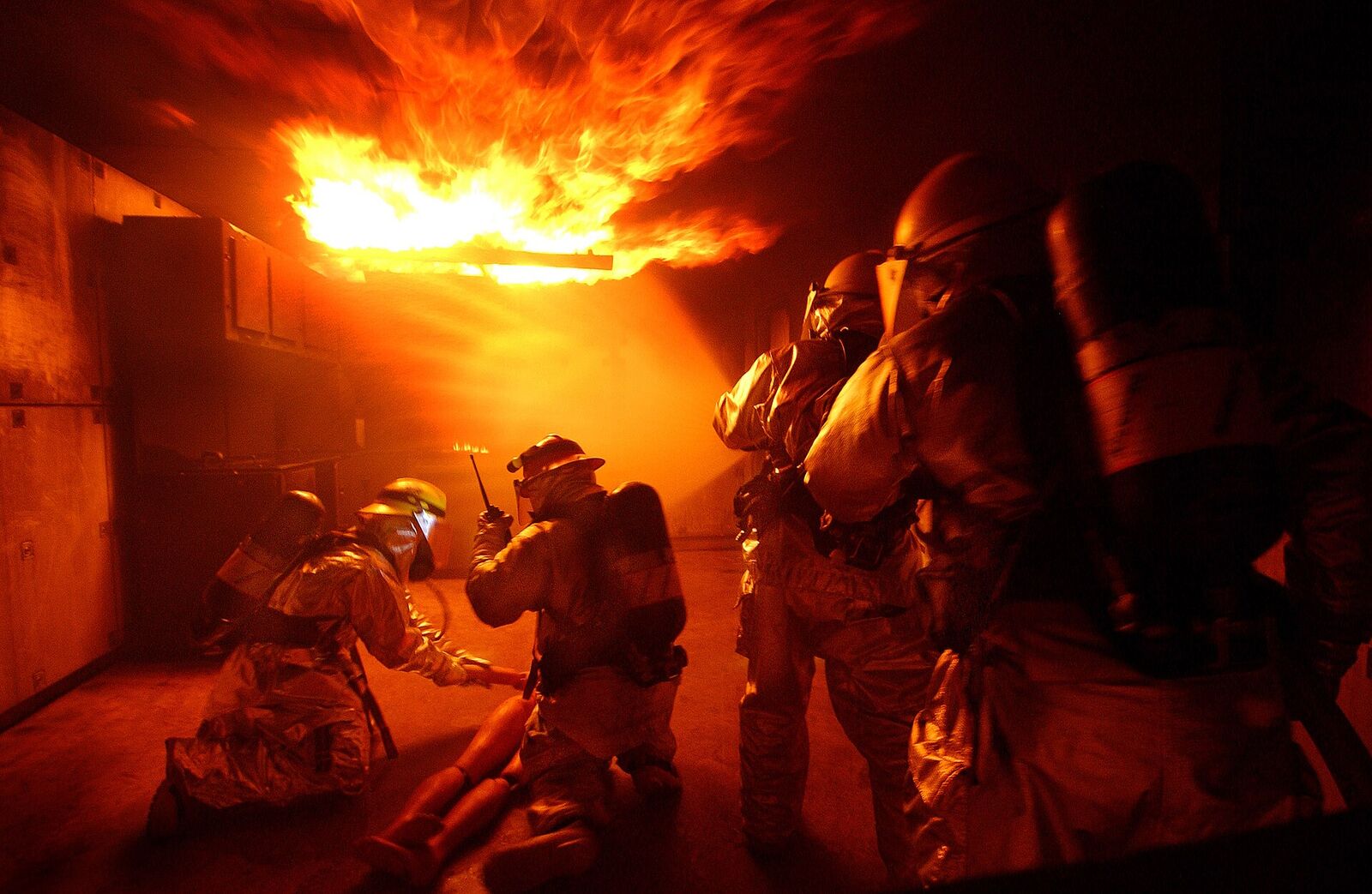
Fire and EMS systems are unusual: they must be locked down and they must never hesitate. Vaultris is configured around operational tempo, so controls apply to administrative access without ever standing between a call and a response.
- CAD and station alerting administered through a governed path, with recording that never touches the dispatch path itself.
- Apparatus telematics and mobile data terminals maintained under scoped, expiring entitlements.
- Mutual-aid interoperability — neighbouring agencies granted precise, time-limited access during joint operations.
- Station-level relays that bring remote houses under central policy without inbound firewall exceptions.
- Break-glass access rehearsed on a schedule so an outage never becomes an operational failure.
- Records and NFIRS reporting systems protected with the same audit depth as operational systems.

Emergency Management
Surge access that closes itself.
An activated EOC pulls in reservists, contractors, volunteers, and partner agencies within hours. The access granted in that rush is precisely the access nobody remembers to remove afterwards. Vaultris makes expiry the default rather than a follow-up task.
- Pre-staged activation roles that grant exactly the right reach the moment an EOC stands up.
- Automatic revocation at stand-down — surge entitlements expire without anyone having to chase them.
- Partner agency federation so external responders authenticate against their own identity provider.
- Full activation audit for after-action reporting and federal reimbursement documentation.
- Degraded-mode operation that continues brokering and recording when connectivity is impaired.
Tactical & Specialist Units
Compartmentation you can prove.
Specialist units — tactical teams, investigations, intelligence, and internal affairs — run systems that must be closed to the wider organisation, including to the administrators who run everything else. Vaultris enforces that separation at the gateway and produces the evidence that it held.
- Need-to-know enforcement that applies to privileged administrators, not just end users.
- Dual authorisation for access to the most sensitive systems, requiring a named approver in real time.
- Live session supervision with the ability to join, take over, or terminate a session in progress.
- Sealed audit trails that record even legitimate access to compartmented systems for later review.

Defense Industrial Base
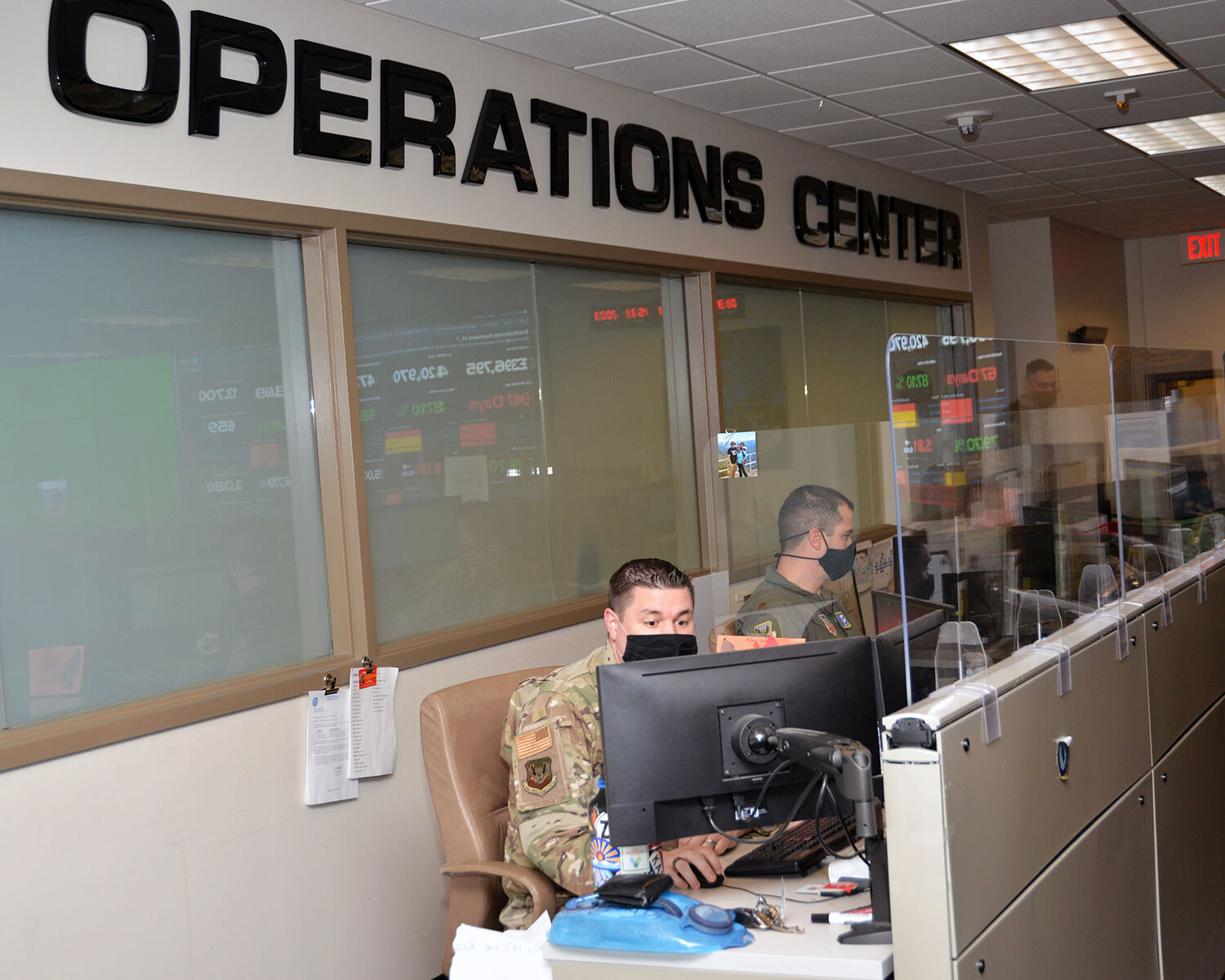
The mission does not stop at the agency boundary.
Prime contractors, coalition partners, and the managed service providers who run agency infrastructure hold the same privileged access as uniformed staff — usually with less oversight. Vaultris extends one brokered, recorded access plane to everyone who touches the mission network.
- Contractor and MSP access brokered, supervised, and recorded — the most commonly exploited route inward.
- Programme separation so a vendor supporting one system cannot reach another, with entitlements provable per contract.
- Access reviews for contract renewal and audit generated from live entitlement data rather than assembled by hand.
- Coalition and multi-agency estates consolidated behind one policy engine and one audit trail.
- Clearance and offboarding alignment — access ends when the contract, the posting, or the clearance does.
- Evidence for the contracting office on who held privileged access, to what, and when it was last exercised.
Critical Infrastructure
Where the IT/OT boundary is the whole problem.
Utilities, ports, transit, water, and telecommunications share a pattern: operational technology that was never designed to be reachable, and a maintenance workflow that reaches it anyway.
Vendor Maintenance
Equipment manufacturers need periodic access to controllers and HMIs. Vaultris makes that access requested, approved, time-boxed, supervised, and recorded — instead of a permanent modem, a shared password, or an always-on tunnel.
IT/OT Segmentation
The gateway sits at the boundary as the only sanctioned crossing point, so segmentation is enforced by architecture rather than by policy documents nobody reads during an outage.
Legacy Systems
Control systems that cannot support MFA or modern authentication are fronted by the gateway, which supplies the controls the endpoint itself will never be able to run.
Regulatory Evidence
Sector regulators increasingly ask for demonstrable control over remote access. Evidence is generated from live access data, not reconstructed the week before an inspection.
Safety Interlocks
High-consequence commands can require a second named approver before they execute, so a single mistaken keystroke cannot become a safety event.
Incident Reconstruction
When an operational disturbance has to be explained, the recording of every privileged session in the relevant window already exists and is searchable.
Next Step
Tell us what you are protecting and who needs to reach it.
The briefing is a working session against your environment, not a slide deck.